Metro Central Heights rubbish collection guide for residents SE1
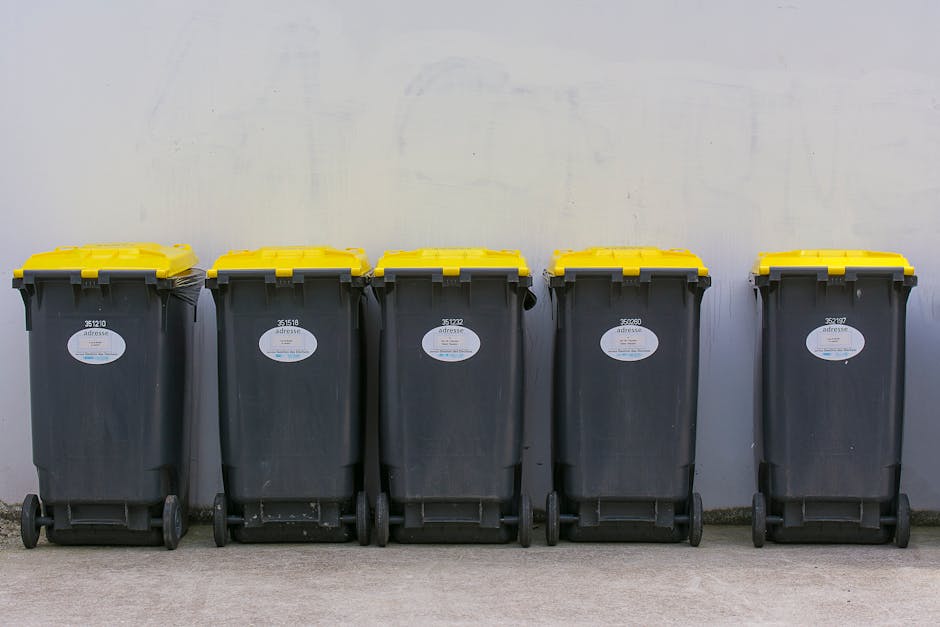
If you live in Metro Central Heights and rubbish day feels like a tiny logistical puzzle, you are not alone. Flats, shared entrances, tight corridors, lift access, and the usual SE1 city rhythm can make waste removal feel more awkward than it should be. This Metro Central Heights rubbish collection guide for residents SE1 breaks everything down in plain English, so you can dispose of household waste, bulky items, and awkward clear-outs without turning the bin area into a stress point.
Whether you are moving out, clearing a cupboard that somehow became a storage unit, or just trying to keep weekly rubbish under control, the right approach saves time, avoids neighbour friction, and helps keep the building cleaner. Truth be told, it also makes life easier on collection day. Let's get into the practical bits.
Why Metro Central Heights rubbish collection guide for residents SE1 Matters
Bin management in a large residential block is not just about taking bags downstairs and hoping for the best. In a building like Metro Central Heights, waste tends to build up in predictable ways: food waste after a busy week, packaging from deliveries, broken furniture after a move, or a few black bags that never quite make it to the correct place. Small issues become big ones quickly when dozens or hundreds of residents share the same space.
This matters for three simple reasons. First, it protects hygiene. Overflowing rubbish attracts smells, pests, and complaints nobody wants. Second, it keeps communal areas usable. Nobody enjoys stepping around loose bin bags at the end of a corridor or seeing cardboard stacked beside an exit. Third, it reduces risk. In shared buildings, blocked walkways and unmanaged bulky waste can create trip hazards and fire concerns.
There is also a quieter benefit: a well-run rubbish routine lowers tension between neighbours. That sounds a bit dramatic, perhaps, but in shared living it is often the little things that make the biggest difference. A tidy bin store on a wet London morning feels like civilisation, basically.
Expert summary: the best rubbish collection approach for Metro Central Heights residents is simple, consistent, and building-friendly. Sort waste properly, use the right disposal route for bulky or special items, and avoid leaving anything where it blocks access or creates a mess.
How Metro Central Heights rubbish collection guide for residents SE1 Works
At a practical level, rubbish collection in a residential block is usually a mix of everyday household disposal and occasional specialist removal. Most residents handle standard waste through the building's designated bin arrangements, while larger items or mixed-clearance jobs need a separate plan.
For everyday waste, the process is usually straightforward: bag it, sort it, and place it in the correct bin or collection point. The key is consistency. A good routine prevents last-minute pile-ups, which is where problems tend to start. Cardboard flattening, recycling separation, and keeping liquids out of dry recycling all help more than people expect.
For bulky or awkward items, the process changes. Sofas, wardrobes, mattresses, white goods, and renovation debris do not belong beside the normal bins. These need planning, especially in a building with shared access. If you are dealing with furniture or a full flat clearance, services such as flat clearance and furniture disposal are often more suitable than trying to manage everything through ordinary collection points.
It also helps to think in stages. What can go in the weekly waste stream? What should be separated for recycling? What needs removal by a clearance team? Once you split the job into those three buckets, the whole thing becomes much less annoying.
Key Benefits and Practical Advantages
Residents usually look for rubbish collection support because they want convenience, but the real value goes beyond that.
- Cleaner communal spaces: waste leaves the flat quicker, so hallways and bin areas stay more pleasant.
- Less conflict: clear disposal habits reduce disputes about overflowing bins or rubbish left in shared areas.
- Better recycling: separating materials properly makes it easier to recycle cardboard, metal, and reusable items.
- Safer access: removing bulky waste promptly helps keep exits, lifts, and walkways clear.
- Less wasted time: you spend fewer evenings wondering where that old wardrobe is supposed to go.
For many residents, the biggest advantage is not dramatic at all. It is the relief of having a clear plan. Once you know what goes where, you stop improvising with half-filled bags in the kitchen corner. And yes, that little pile somehow always looks bigger at 8pm than it did at 8am.
Who This Is For and When It Makes Sense
This guide is useful for a wide mix of Metro Central Heights residents. If any of the situations below sound familiar, you are in the right place.
- People living in one-bedroom or family flats who need a tidy weekly rubbish routine.
- Tenants moving out and needing a fast, sensible clear-out.
- Homeowners or leaseholders getting rid of old furniture, clutter, or stored items.
- Residents who share bin areas and want to avoid awkward overspill situations.
- Anyone dealing with post-refurbishment debris or builders' offcuts.
- Busy professionals who would rather book proper removal than spend Saturday morning wrestling a mattress downstairs.
It also makes sense when the item is too bulky for the normal bin system, too awkward to carry alone, or too messy to sit around waiting for another day. In those moments, using a professional waste route is just common sense. If you are clearing more than one room, options like home clearance and house clearance can be a much smoother fit.
Sometimes the decision is simple: if it won't fit in a bin bag without a fight, it probably needs a different plan.
Step-by-Step Guidance
Here is a practical way to handle rubbish collection and disposal in Metro Central Heights without overcomplicating it.
- Sort the waste first. Separate general rubbish, recycling, food waste, bulky items, and anything that may need special handling.
- Flatten and compact where possible. Cardboard boxes, delivery packaging, and light plastics take up far less space when broken down.
- Bag loose waste securely. Use sturdy bags that will not split in communal corridors or on stairwells.
- Check the bin area setup. Make sure you know which containers are used for general waste and recycling in your building.
- Move bulky items separately. Do not leave large objects by the bins unless they are explicitly accepted there.
- Book removal for awkward loads. If you have furniture, builders' waste, or a mixed flat clear-out, arrange a suitable service before items start piling up.
- Leave access clear. Bins, fire exits, lift lobbies, and corridors should stay usable at all times.
For residents who are clearing a room or preparing a move, services such as furniture clearance, loft clearance, and garage clearance can help take the pressure off. They are especially useful when items have been sitting untouched for years. You know the type - that box you meant to deal with last winter, and somehow it has become part of the furniture.
Expert Tips for Better Results
A few small habits make rubbish collection much easier in a building like Metro Central Heights.
Keep a "go out now" spot inside the flat
Have a small place for items that need to leave the flat soon, such as cardboard, soft plastics, or broken items. This reduces the chance of waste drifting into kitchens, hallways, and spare corners.
Separate bulky waste before it becomes urgent
If you already know an old chair, broken wardrobe, or heavy table needs removing, deal with it before the problem grows. People often wait until they are tripping over the thing. Fair enough, life gets busy, but sooner is always easier.
Think about lift and corridor access
In communal blocks, moving waste is not just about the item itself. It is about the route. Measure awkward furniture if needed, protect walls and floors where sensible, and avoid peak times if the building is busy.
Choose the right disposal route first time
A professional waste service is often more efficient than several trips with a car or trying to squeeze awkward items into regular bins. For mixed waste loads, a general waste removal service is often the most practical starting point.
Keep your building tidy for the next person
If everyone treats the bin area carefully, everyone benefits. It is a small community-minded habit, but it matters more than people think.
Common Mistakes to Avoid
Most rubbish problems in shared residential buildings come from a handful of predictable mistakes. Avoid these and you will avoid a lot of hassle.
- Leaving waste beside the bins: this quickly creates clutter, smells, and access problems.
- Mixing recycling with general rubbish: it may seem harmless, but it reduces the value of recycling streams and can contaminate whole loads.
- Ignoring bulky items: that broken chair does not magically disappear overnight, annoying as that would be.
- Overfilling bags: split bags lead to mess in corridors and bin stores.
- Not planning removals in advance: last-minute clear-outs often end up being slower and more expensive.
- Assuming all waste is the same: builders' debris, garden waste, office clutter, and furniture all need different handling.
If your waste includes renovation debris, plaster, timber offcuts, or packaging from works, a dedicated builders waste clearance option is usually more appropriate than general rubbish disposal. The same goes for business items if you are clearing a work-from-home setup or shared office material; office clearance and business waste removal are the better fit in those cases.
Tools, Resources and Recommendations
You do not need a van full of equipment to manage rubbish properly, but a few simple tools help.
- Strong bin bags: use thicker bags for heavier waste and avoid stretching them beyond capacity.
- Cardboard cutter or scissors: makes flattening boxes quicker and tidier.
- Gloves: useful for sharp packaging, dusty loft items, or unknown clutter.
- Labels or tape: handy if you are separating items for recycling, donation, or disposal.
- Mobile photos: a quick way to record bulky items before booking removal or requesting a quote.
When you are comparing disposal options, it also helps to look at reliability, insurance, recycling practices, and how clearly the service explains pricing. If that sounds a bit dry, it is still worth checking. Waste jobs are far easier when everyone knows what is included and what is not.
You can also learn more about the company's approach to responsible disposal through its recycling and sustainability information, as well as practical details on pricing and quotes. For peace of mind, it is sensible to review insurance and safety too, especially for larger clearances in a shared building.
Law, Compliance, Standards, or Best Practice
For residents, the main thing is not to treat waste disposal as a purely convenience-based decision. In London residential buildings, safe and lawful waste handling is part of everyday living, especially where shared access, communal bins, and neighbour safety are involved.
Best practice usually means:
- keeping walkways and exits clear;
- separating recyclable and non-recyclable waste where the building system allows it;
- not dumping items in communal areas;
- using appropriate clearance routes for bulky, hazardous, or mixed waste;
- checking that any contractor used is properly insured and follows safe working methods.
For residents, the details can vary depending on the block rules, tenancy terms, managing agent guidance, and the type of waste involved. If a situation feels borderline - say, paint tins, electrical items, or renovation waste - err on the cautious side and ask before disposing. That small pause can save a much bigger headache later.
It is also sensible to keep documentation for major clearances, especially if you are moving out or responsible for a tenancy handover. Nothing fancy. Just enough to show the job was done properly. The boring stuff is often the useful stuff.
Options, Methods, or Comparison Table
If you are deciding how to manage rubbish at Metro Central Heights, the right method depends on size, urgency, and how much lifting you want to do yourself. Here is a simple comparison.
| Method | Best for | Advantages | Watch-outs |
|---|---|---|---|
| Regular building bin collection | Daily household waste and normal recycling | Convenient, simple, usually lowest effort | Not suitable for bulky items or mixed clear-outs |
| Self-carry disposal | Small amounts of waste you can move safely | Direct control, useful for light waste | Time-consuming, awkward in tall blocks, easy to overdo |
| Professional waste removal | Bulky, heavy, mixed, or time-sensitive waste | Faster, cleaner, less lifting, more suited to larger jobs | Needs booking and clear item details |
| Room or flat clearance | Moves, end-of-tenancy clear-outs, and full declutters | Best for big jobs, usually the least stressful option | Requires good planning and access coordination |
In practice, many residents use a mix of these. Standard rubbish goes through the normal system, and anything larger gets handled separately. Simple enough, really.
Case Study or Real-World Example
Here is a realistic example from the kind of situation residents run into all the time.
A resident in Metro Central Heights had been storing old delivery boxes, a broken bookcase, and a couple of bags of household clutter after redecorating a bedroom. None of it was huge on its own, but together it had turned one corner of the flat into an obstacle course. The boxes were flat but bulky, the bookcase was too awkward for normal bin disposal, and the bags were too much to leave for the next collection.
Instead of trying to force everything through the regular rubbish area, the resident sorted the items into three groups: recyclable cardboard, furniture for disposal, and general waste. The cardboard was flattened properly, the furniture was booked for removal, and the remaining bags were collected in one controlled clear-out. The whole job took less effort than several failed attempts would have done, and the flat felt calmer straight away.
That is the real lesson here. Waste problems often look bigger when they are mixed together. Break them down, and they become manageable.
Practical Checklist
Use this quick checklist before you take rubbish out or book a removal service.
- Have I sorted general waste, recycling, and bulky items separately?
- Are all bags securely tied and not overfilled?
- Have I flattened cardboard and removed excess air from packaging?
- Do I know where the building expects standard rubbish to go?
- Is anything too large, too heavy, or too awkward for the usual bin route?
- Could any item need specialist handling, such as builders' waste or electrical equipment?
- Will the route through the corridor, lift, or stairwell stay clear and safe?
- Have I checked pricing and booking details before arranging a collection?
- Am I keeping communal areas tidy while I move items out?
- Do I need help from a professional clearance team rather than doing it myself?
If you tick most of those boxes, you are probably in good shape. If not, that is fine too - better to sort it now than discover the problem in the middle of collection day.
Get a free quote today and see how much you can save.
Conclusion
Managing rubbish at Metro Central Heights does not need to be complicated. The trick is to stay organised, respect shared spaces, and use the right disposal method for the type of waste you actually have. Standard household rubbish can follow the usual building routine, while bigger items, clutter, and mixed loads are usually better handled through a dedicated clearance service.
That approach keeps the building tidier, reduces stress, and makes life easier for everyone who lives there. More importantly, it gives you a clear system rather than a vague hope that the problem will sort itself out by Friday. It rarely does, to be fair.
If you take one thing from this guide, let it be this: sort early, move safely, and do not leave awkward waste sitting around. A little planning now saves a lot of nuisance later, and that is one of those small victories that actually feels good.
Frequently Asked Questions
What is the best way to handle rubbish collection in Metro Central Heights?
The best method is to use the normal building waste system for everyday rubbish and separate out bulky, heavy, or mixed items for a more suitable removal option. That keeps communal areas clearer and avoids overloading the bins.
Can I leave bulky items near the bin area?
Usually no, unless the building has specifically allowed it. Bulky items can block access, create fire risks, and lead to complaints. If the item is large, arrange proper removal instead.
What should I do with old furniture from my flat?
Old furniture is better handled through furniture clearance or furniture disposal rather than standard rubbish collection. Sofas, tables, wardrobes, and mattresses are awkward to leave in communal areas and often need a separate service.
How do I dispose of cardboard and packaging properly?
Flatten cardboard boxes, remove loose filler where possible, and keep recycling clean and dry. If the amount is large, break it down before taking it to the bin area so it does not take over the space.
What if I am moving out and have lots of waste?
For move-out situations, a flat clearance or home clearance is often more practical than trying to manage everything through the bins. It is quicker, tidier, and usually much less stressful.
Are builders' materials allowed in the regular rubbish bins?
No, builders' debris such as plaster, timber, rubble, and renovation offcuts should not go into general household bins. Builders waste clearance is the better route for that kind of material.
How can I keep the communal bin area cleaner?
Use tied bags, flatten boxes, avoid overfilling containers, and never leave rubbish beside the bins. Small habits make a big difference in shared buildings, especially where many residents use the same space.
Is professional waste removal worth it for a small flat?
Yes, if the waste is bulky, heavy, or awkward. Even in a small flat, one difficult item can be more annoying than a whole pile of normal bags. Professional removal saves effort and reduces the risk of damage or injury.
What should I check before booking a clearance service?
Look at pricing, what types of waste are accepted, whether the provider is insured, and how the team handles safety and recycling. Clear communication matters more than most people realise.
Can I mix different waste types together for collection?
Sometimes, but not always. General rubbish, furniture, office items, and builders' waste may need to be separated depending on the job. If you are unsure, it is better to ask before collection rather than after.
Who is this guide most useful for?
It is useful for residents, tenants, leaseholders, movers, and anyone clearing clutter in Metro Central Heights. If you live in SE1 and want a practical approach to rubbish collection, the guide should help you plan the job properly.
What is the simplest way to avoid rubbish problems altogether?
Sort waste as you go, keep a small staging area inside the flat, and book a proper removal route for anything bulky before it becomes a nuisance. That one habit alone solves a surprising amount of hassle.
For more about the team behind the service, you can also review about us and check the wider approach to responsible disposal in recycling and sustainability. If you are ready to arrange help, the next sensible step is simply to ask for a quote and get the job moving.