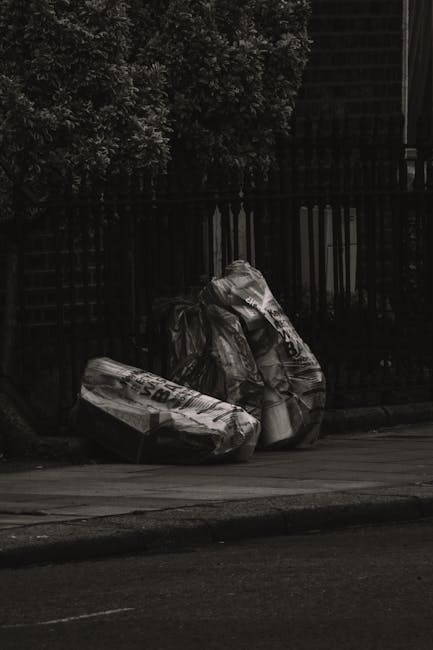
Southwark Council bulky waste rules for Elephant and Castle flats
If you live in a flat near Elephant and Castle, bulky waste can become one of those annoying little jobs that suddenly feels much bigger than it should. A mattress leaning in the hallway, an old wardrobe that will not fit in the lift, or a broken desk by the front door all create the same problem: what are the actual Southwark Council bulky waste rules for Elephant and Castle flats, and how do you get rid of large items without upsetting neighbours, building managers, or the council?
This guide breaks it down in plain English. You will learn how bulky waste collection usually works in Southwark, what flat residents need to think about in a shared building, the mistakes that cause delays, and when a private clearance service may simply be the easier route. In our experience, the difference between a smooth collection and a messy one is often just a bit of planning. Not glamorous, but very true.
Contents
- Why Southwark Council bulky waste rules for Elephant and Castle flats matters
- How Southwark Council bulky waste rules for Elephant and Castle flats works
- Key benefits and practical advantages
- Who this is for and when it makes sense
- Step-by-step guidance
- Expert tips for better results
- Common mistakes to avoid
- Tools, resources and recommendations
- Law, compliance, standards, or best practice
- Options, methods, or comparison table
- Case study or real-world example
- Practical checklist
- Conclusion
- Frequently asked questions
Why Southwark Council bulky waste rules for Elephant and Castle flats Matters
Bulky waste rules matter more in flats than in houses because access is tighter, storage is limited, and shared spaces are involved. In Elephant and Castle, that often means lifts, narrow stairwells, controlled entrances, concierge desks, and communal corridors that must stay clear. One awkward sofa can block the route for everyone. That is where council rules become practical, not just administrative.
For residents, the main value of understanding the process is simple: it helps you avoid fines, missed collections, and building disputes. It also protects you from one of the most common problems in city living, which is leaving an item outside "just for a bit" and hoping somebody else will sort it out. Let's face it, that rarely ends well.
There is also a wider reason. Fly-tipping and badly placed rubbish can affect shared bins, fire safety routes, and the general appearance of the building. In a busy part of London, that stuff matters. Neighbours notice. Managing agents notice. And the council certainly notices.
Expert summary: If your bulky item is difficult to carry, awkward to store, or likely to cause access issues in a block of flats, plan the removal before moving it into a communal area. That one habit saves a lot of trouble.
How Southwark Council bulky waste rules for Elephant and Castle flats Works
At a practical level, bulky waste usually means large household items that do not fit in a normal bin collection. Think mattresses, chairs, wardrobes, tables, broken appliances, or similar items. The exact service rules can change, so the safest approach is to check the current council guidance before you book anything. That said, the basic process is generally straightforward.
What usually happens
- You identify the items you want removed.
- You check whether the items are accepted and whether any special preparation is needed.
- You book the collection or arrange an alternative removal method.
- You place the items where the collection team can safely access them.
- The items are taken away for reuse, recycling, or disposal depending on condition and type.
For flats, the access part is often the tricky bit. A collection point that works for a house may not work at all in a multi-storey block. If the item cannot be carried safely through the building, you may need to agree a ground-floor handover point, ask building management for access support, or use a private service that handles stair carrying and loading. That last option is often the one people choose when time is short.
Why flat residents need to think differently
In a flat, you are not just moving one item from your own home. You are moving it through shared space. That means you should consider:
- whether the lift is large enough
- whether the staircase is wide enough
- if the building has quiet hours or access rules
- whether the item needs to be dismantled first
- how long it can safely remain outside before collection
A quick example: a double bed frame may look manageable in a bedroom, but once you try turning it around a bend on the stairwell it suddenly becomes a very different story. One more reason to check dimensions first. Small detail, big impact.
What should not be assumed
Do not assume every oversized item is treated the same way. Sofas, white goods, mattresses, and mixed waste can have different handling requirements. Also, do not assume you can leave items in a communal hallway "just until morning". In most blocks, that creates a fire safety and obstruction issue. Better to avoid that entirely.
Key Benefits and Practical Advantages
When you follow the right process, bulky waste removal becomes much less stressful. The main benefits are not complicated, but they are genuinely useful.
- Cleaner communal spaces: items are removed before they become a trip hazard or eyesore.
- Less back-and-forth: you avoid missed collections caused by poor placement or incomplete booking details.
- Better recycling outcomes: reusable and recyclable items can be separated more effectively when they are collected properly.
- Reduced neighbour friction: no one enjoys squeezing past an abandoned chest of drawers in a shared hallway.
- More control over timing: especially useful if you are moving out, refurbishing, or receiving a delivery.
There is another advantage that people often overlook: confidence. Once you know how the system works, you stop guessing. You can plan a move, a clear-out, or a replacement delivery with far less stress. And honestly, that is worth a lot on its own.
For people dealing with several items at once, it may also make sense to combine bulky waste with a wider flat clearance or broader waste removal arrangement, especially if there are mixed materials involved.
Who This Is For and When It Makes Sense
This topic is relevant for a wide range of people living or working in Elephant and Castle flats. Some are moving home. Some are replacing furniture. Some have inherited a flat that needs clearing. Others are just trying to get rid of one annoying item that has outstayed its welcome for three years. No judgement. We have all been there.
Typical situations where bulky waste rules matter
- tenants moving out of a studio or one-bedroom flat
- leaseholders replacing damaged furniture
- landlords clearing leftover items between lets
- managing agents dealing with abandoned items
- families handling probate or downsizing
- students or sharers clearing shared living spaces
It also makes sense when the item is heavy, dirty, or awkward. A broken sofa on the fifth floor is not a quick favour for a friend with a van. It is more likely to become a mini operation, complete with corridor measurements, lifting points, and a bit of patience.
When council collection may be the better fit
If you only have one or two items, you are not in a rush, and the building access is easy, a council-style bulky waste collection can be a sensible option. It is especially useful when the item can be left safely in the agreed collection area without blocking anyone.
When a private service may be easier
If the item is too large for the lift, if you need same-day help, or if there are several items from different rooms, a private collection can save time and physical effort. A service like furniture clearance is often a better fit for bulky household pieces, while more general home clearance works well if the job is broader than a single item.
Step-by-Step Guidance
If you want the smoothest possible result, approach the job methodically. A few minutes of prep can prevent a lot of hassle later.
1. Identify exactly what needs removing
List each item separately. Is it a wardrobe, mattress, TV unit, office chair, or a mix of rubbish and furniture? The more specific you are, the easier it is to choose the right disposal route. Mixed piles are where things get messy.
2. Check access from your flat to the exit
Measure doorways, lifts, stair turns, and any tight corners. If a mattress barely fits one way, it will probably catch on the handrail the moment you try to angle it. It happens more than you would think.
3. Separate reusable items from waste
If a piece of furniture is still usable, it may be better for reuse or donation rather than disposal. If it is broken, water-damaged, or unsafe, then disposal is the right route. For individual household pieces, a dedicated furniture disposal service can be more efficient than leaving everything to a general collection.
4. Ask about building rules
Some apartment blocks in Elephant and Castle have management rules about booking lifts, using service entrances, or protecting floors. Follow those rules. They exist for a reason, even if they feel a bit fussy at the time.
5. Book the right collection method
Choose the service that matches the size and condition of the load. A single mattress is one thing. An end-of-tenancy clear-out with furniture, boxes, and random bits from the balcony is another. For larger clear-outs, house clearance may be more appropriate even if you live in a flat, because the quantity is really what matters.
6. Move items only when you are ready
Do not put bulky waste into a communal corridor too early. Keep it inside your flat until the agreed time whenever possible. That way, you avoid blocking shared access and creating confusion.
7. Confirm the collection point
Make sure the collector knows exactly where to find the items. If the building has multiple entrances, use the clearest instructions you can manage. "Second courtyard entrance by the green doors" is better than "somewhere near the front".
Expert Tips for Better Results
These are the little things that tend to make a big difference.
- Take photos before collection: helpful if you need to confirm item condition or size.
- Dismantle where practical: removing legs, shelves, or bed slats can make awkward items much easier to carry.
- Protect hallways: if items must pass through shared areas, use blankets or floor protection if allowed.
- Group items by type: furniture together, loose waste separately, and hazardous materials kept out of the mix.
- Check lift capacity: a surprising number of problems come from assuming a lift can handle more than it can.
If you are dealing with a mix of clutter, loft storage, or long-forgotten boxes, services such as loft clearance or garage clearance may better match the size and nature of the job, even if the items ultimately come from a flat.
One practical tip that gets overlooked: keep one clear route from the room to the door. It sounds obvious, but during a rushed move people often stack more boxes in the same path they need to use. Slightly daft, but common.
Common Mistakes to Avoid
Most problems with bulky waste in flats are predictable. The good news is that they are also avoidable.
Leaving items in communal areas too early
This is the biggest one. Hallways, lobbies, and stairwells are shared spaces. Blocking them can create safety issues and trigger complaints fast.
Not measuring large items
People often guess. They see a sofa and think it will fit. Then it gets stuck halfway down a stairwell and suddenly everyone is involved. Measure first, guess later never.
Mixing bulky waste with general rubbish
Bulky waste is not the same thing as a bin bag pile. If there is mixed waste, broken glass, or construction debris, the collection may need a different approach. For refurbishment leftovers, builders waste clearance may be more appropriate.
Forgetting access permissions
If building staff need advance notice, give it. If a lift booking is required, book it. If the concierge needs the collection time, tell them. It sounds dull, but it saves embarrassment.
Assuming everything can be handled the same way
A dining table, a broken fridge, and a sack of mixed loft clutter are not identical jobs. If you treat them as one, you may end up choosing the wrong service and paying for extra handling later.
Tools, Resources and Recommendations
You do not need specialist equipment for every job, but a few basic tools make life easier.
- measuring tape for doorways and item sizes
- gloves for grip and protection
- heavy-duty bags for loose materials
- moving blankets or wraps for protecting surfaces
- screwdriver or hex key for dismantling flat-pack furniture
- a notepad or phone checklist for item tracking
If you are arranging a more business-like disposal job, such as clearing a small office from a flat used as a workspace, office clearance or business waste removal may be the cleaner route. That is especially true if there are desks, chairs, filing cabinets, or other commercial items involved.
For most residents, a simple workflow helps more than any fancy tool: sort, measure, photograph, book, and then remove. Plain and effective. If you prefer not to manage the heavy lifting yourself, a local professional clearance service can take the awkward parts off your hands and keep the process calm.
If cost is part of your decision, it is worth reviewing pricing and quotes carefully so you understand what is included before you book.
Law, Compliance, Standards, or Best Practice
Bulky waste is not just about convenience. In shared housing, there are real compliance and safety issues to keep in mind. You do not need to be a legal expert, but you do need to respect basic UK waste and building standards.
The key principles are simple: keep shared escape routes clear, do not obstruct communal areas, and make sure waste is passed to a responsible collector or approved collection system. If you are clearing a flat in a managed block, building rules may also sit alongside council collection arrangements. In practice, that means the building manager's instructions can matter almost as much as the disposal method itself.
From a best-practice point of view, you should also think about duty of care. In plain English, that means you should know where your waste is going and avoid handing items to anyone who may dump them illegally. That is especially relevant in London, where fly-tipping can become a headache very quickly.
Recycling and reuse are also part of good practice. Items in decent condition should be considered for reuse where possible, while recyclable materials should be separated sensibly. A responsible service should be clear about what happens to collected items. If sustainability matters to you, see the company's recycling and sustainability approach before you decide.
For peace of mind, it is also sensible to review operational trust documents such as insurance and safety and the company's health and safety policy. Boring reading, admittedly. Still useful.
Options, Methods, or Comparison Table
Here is a simple comparison of the main approaches people consider for bulky waste in Elephant and Castle flats.
| Option | Best for | Advantages | Limitations |
|---|---|---|---|
| Council-style bulky waste collection | One or two items, non-urgent jobs | Simple, familiar, usually suitable for standard items | May need strict placement and timing; less flexible for access problems |
| Private bulky waste removal | Fast turnaround, multiple items, difficult access | More flexible, often includes lifting and loading support | Usually more expensive than a basic collection |
| Flat clearance | Several rooms of items, move-outs, partial clear-outs | Good for larger jobs and mixed contents | May be more than you need for a single item |
| Furniture-specific disposal | Chairs, sofas, wardrobes, beds | Efficient for large household furniture | Less ideal if waste is mixed with other clutter |
To be fair, there is no one "best" option for everyone. The right choice depends on size, access, timing, and how much of the job you want to do yourself. If you are just clearing one item from a first-floor flat with good lift access, council collection may be enough. If you are moving out on Friday and the flat still looks like a small furniture shop, a private flat clearance service is probably the calmer answer.
Case Study or Real-World Example
A common Elephant and Castle scenario goes like this. A tenant in a modern block has a broken sofa, a dented coffee table, and a mattress that will not fit in the lift unless it is turned diagonally and prayed over a bit. They want everything gone before the end of the tenancy inspection.
At first, they plan to leave the items in the hallway overnight. Then they remember the building rules, the neighbours, and the fact that the corridor is also an escape route. Sensible pause. Instead, they measure the stairwell, check access times, and book a collection arranged for a short window when the concierge can help open the service entrance.
The result is predictable in the best way: no blocked passageways, no last-minute panic, and no awkward chat with the building manager. The lesson is not that the process is complicated. It is that the right preparation makes it look easy.
In a slightly larger version of the same situation, a resident who had accumulated furniture, boxes, and loft items over several months chose a broader home clearance rather than trying to split the job into pieces. That saved time, reduced lifting, and meant the whole flat could be reset in one go. Nice and tidy. Well, eventually.
Practical Checklist
Use this before you book or move any bulky item.
- Have I listed every item that needs removing?
- Have I measured the item and the access route?
- Do I know whether the lift or stairs can handle it?
- Have I checked the building rules or concierge requirements?
- Is the item reusable, recyclable, or definitely waste?
- Do I need a specialist service for furniture, office items, or builders waste?
- Have I kept the item inside my flat until the agreed time?
- Do I know exactly where the collector should pick it up?
- Have I separated sharp, fragile, or hazardous materials?
- Have I compared the cost and convenience of the available options?
If you can tick most of those boxes, you are already ahead of the game.
Conclusion
Understanding Southwark Council bulky waste rules for Elephant and Castle flats is really about making ordinary life less awkward. Keep the shared spaces clear, check access before moving large items, and choose the disposal route that fits the size and speed of your job. That is the whole game, really.
For one item, a council collection may be enough. For multiple pieces, difficult access, or a tight move-out deadline, a professional clearance service is often the cleaner and calmer choice. Either way, the smartest move is to plan early, measure properly, and avoid leaving anything in communal areas longer than necessary. Small effort, big payoff.
Get a free quote today and see how much you can save.
And if you are still staring at that stubborn sofa by the door, take a breath. It will be gone soon enough.
Frequently Asked Questions
What counts as bulky waste in an Elephant and Castle flat?
Bulky waste usually means large household items that do not fit in normal bins, such as beds, mattresses, wardrobes, tables, sofas, and some white goods. If it is oversized or awkward to move, it probably counts.
Can I leave bulky items in the hallway before collection?
Usually no, or at least not without checking the building rules first. Communal corridors and stairwells must stay clear for safety and access reasons. It is better to keep items inside until the agreed collection time.
Do I need to dismantle furniture before removal?
Not always, but dismantling can help if the item is too large for doors, lifts, or stair turns. Bed frames, wardrobes, and shelving units are common examples where taking pieces apart makes everything easier.
What if my sofa will not fit in the lift?
That is a very common problem in flats. You may need to use the stairs, book a service that handles difficult access, or dismantle the item first if that is possible. Measuring before collection day saves a lot of frustration.
Is a council bulky waste collection better than private removal?
It depends on the job. Council collection can work well for a small number of standard items. Private removal is often better if you need speed, have several items, or live in a building with tight access.
How much preparation do I need to do?
Enough to make access safe and clear. Sort items, measure them, check building rules, and make sure the collector knows where to find everything. A little prep goes a long way.
Can I use a bulky waste collection for mixed rubbish and furniture?
Sometimes, but mixed loads often need a different disposal method. If you have a combination of furniture, household clutter, and other waste, a broader clearance service may be more suitable than a single-item collection.
What should I do with items that are still usable?
If they are in decent condition, consider reuse before disposal. Good-quality items may be better handled through a clearance route that prioritises reuse and recycling rather than straight disposal.
Are there extra rules for flats managed by a concierge or building agent?
Yes, often there are. Many blocks have access booking rules, service entrance restrictions, or collection time windows. Always check the building's instructions before moving anything out.
What is the safest way to dispose of bulky waste in a flat?
The safest approach is to keep shared areas clear, use proper lifting methods, avoid blocking exits, and choose a collection method that matches the item size and access conditions. If in doubt, use a professional service.
When should I book a professional clearance instead of doing it myself?
Book a professional service when the item is too heavy, the access is awkward, you are short on time, or you have several items to remove. It is often the easier option, and sometimes the only realistic one.
Can I combine bulky waste with a full flat clear-out?
Yes, and in many cases that is the most efficient route. If you are moving, refurbishing, or clearing a property after a tenancy ends, a wider clearance service can save time and stress.