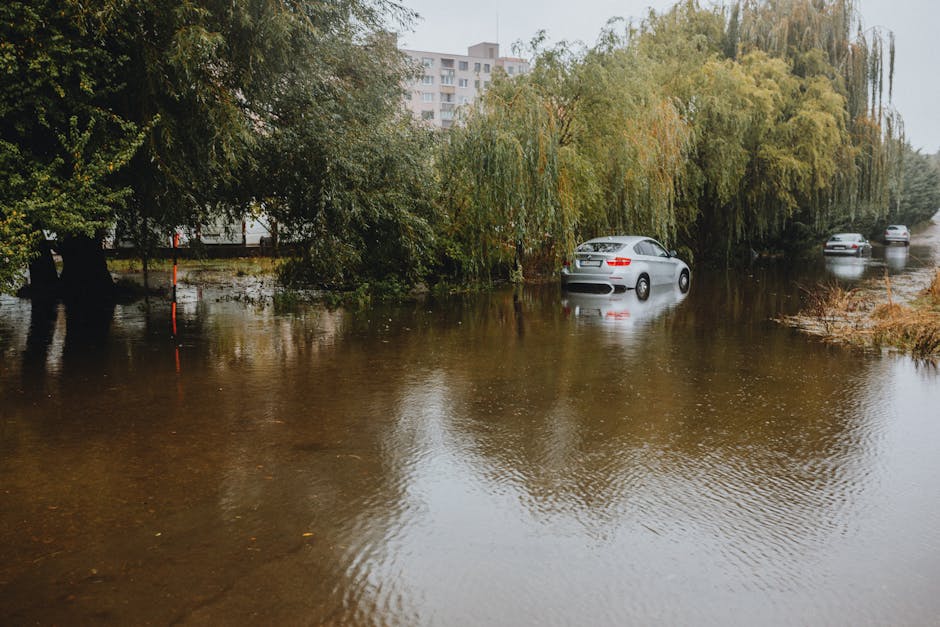
Urgent waste removal for basement floods near New Kent Road
If your basement has flooded near New Kent Road, the mess can feel immediate and oddly personal. One minute it is a bit of damp, the next you are looking at ruined storage boxes, soaked furniture, and a smell that turns the stomach. Urgent waste removal for basement floods near New Kent Road is about getting that damaged material out quickly, safely, and in a way that helps you reclaim the space before mould, contamination, and avoidable stress set in.
This guide walks through what urgent flood-related waste removal involves, why timing matters, how the process works, and what to watch for if you are dealing with a basement in a busy inner-London setting. It also covers practical steps, compliance considerations, and a realistic checklist you can use when things are moving fast. To be fair, floods rarely wait for a convenient moment.
For readers who also need broader clearance help after the immediate incident, services such as waste removal, home clearance, and house clearance can be useful once the basement has been made safe and the damaged items have been identified.
Table of Contents
- Why urgent basement flood waste removal matters
- How the removal process works
- Key benefits and practical advantages
- Who this is for and when it makes sense
- Step-by-step guidance
- Expert tips for better results
- Common mistakes to avoid
- Tools, resources and recommendations
- Law, compliance, standards, and best practice
- Options, methods, and comparison
- Case study or real-world example
- Practical checklist
- Conclusion
- Frequently asked questions
Why Urgent waste removal for basement floods near New Kent Road Matters
Basements are awkward spaces at the best of times. Once water gets in, they become a mix of hidden damage, heavy lifting, and potentially unsafe waste. Cardboard softens and collapses. Upholstered furniture starts to smell. Old paint tins, broken shelving, electrical items, and forgotten storage can all become messy fast. If the water has been dirty, the problem is even more serious because the contents may be contaminated, not just wet.
Urgent waste removal matters for three main reasons. First, it reduces health risks by taking away waterlogged materials that can harbour mould or bacteria. Second, it helps prevent further structural damage because damp items keep releasing moisture into the room. Third, it makes the space easier to dry, assess, and repair. In practical terms, every hour counts when you are trying to stop a small disaster from becoming a much bigger one.
There is also a simple psychological point here. A basement flood leaves a strange kind of chaos behind, often in the one part of the home where you stored things you had forgotten about. Once those ruined items are removed, people usually feel they can think straight again. That sounds obvious, but when you are standing in ankle-deep uncertainty, it is not a small thing.
If the flood affected multiple rooms or there is extensive household clutter to deal with, flat clearance or furniture disposal may be relevant alongside the emergency removal work.
How Urgent waste removal for basement floods near New Kent Road Works
The process is usually straightforward, but the best outcomes come from being methodical. A flood clearance team will normally begin by identifying what needs to be removed immediately and what can wait. That distinction matters. Not everything damp has to go, and not everything can be saved. The judgment call saves time and money.
In a typical urgent visit, the team will:
- Assess access to the basement and check for obvious hazards.
- Separate soaked, broken, or contaminated items from anything salvageable.
- Remove bulky waste, bags, and loose debris from the affected area.
- Load the waste carefully to avoid spreading dirty water through the property.
- Sort reusable or recyclable material where possible, keeping disposal responsible.
Depending on the situation, some material may need special handling. Wet carpets, saturated plasterboard, ruined mattresses, old freezers, and contaminated soft furnishings are not all treated in the same way. A careful operator will not just shovel everything into a van and hope for the best. They should think about safety, segregation, and the practical next step for drying and repair.
In a narrow street or busy local road near New Kent Road, access can be a real factor. Basement entrances, shared courtyards, and basement staircases can all slow things down. That is normal. A good plan allows for awkward angles, parking constraints, and the very human problem of carrying a sodden box that has become far heavier than anyone expected. One box feels manageable until it has absorbed half a bucket of water. Then, well, it gets funny in retrospect.
Key Benefits and Practical Advantages
Speed is the obvious benefit, but not the only one. Urgent flood waste removal gives you a clearer route to recovery. It is about removing friction from an already difficult situation.
- Quicker drying: The fewer waterlogged items left in the basement, the easier it is to dry walls, floors, and hidden corners.
- Lower mould risk: Organic materials and damp fabrics are prime candidates for mould growth if left in place.
- Better salvage decisions: Once the obvious waste is out, you can see what might still be recoverable.
- Cleaner working space: Repair contractors, plumbers, or insurers often need a clear area before they can do their work.
- Safer movement through the property: Removing broken items and slippery debris reduces trip hazards.
- Less emotional strain: There is something calming about visible progress. Even after a bad flood, you can start to breathe again.
Another advantage, especially in city properties, is that quick waste removal helps prevent unwanted odour spreading into hallways and upper floors. Old floodwater has a particular smell. You know it when you get it. Not pleasant. The sooner the waste goes, the easier it is to reset the space.
If the basement stored household goods, old furniture, or mixed items accumulated over time, it may be worth pairing urgent removal with furniture clearance or loft clearance once the urgent phase has passed and you are dealing with broader storage issues.
Who This Is For and When It Makes Sense
This kind of service is for anyone who needs a basement cleared quickly after flooding, but the reasons vary. A homeowner might need help with damaged storage, soaked furniture, or broken appliances. A landlord may need the basement safe and empty before repairs. A tenant may be dealing with a leaseholder or managing agent, trying to clear out damaged items without making the problem worse. Businesses with below-ground storage face the same headaches, only with more pressure to reopen quickly.
It makes sense when the waste is too bulky, too heavy, too contaminated, or simply too much for a one-person job. It also makes sense if you are not sure what can be salvaged. A professional clearance team can help separate what should be binned from what should be left for drying or inspection.
As a rule of thumb, if the basement contains a mix of soaked soft furnishings, packaging, loose debris, and items you do not want to drag through the rest of the property, you are already in the territory where urgent waste removal is the sensible move. Is it always dramatic? No. Sometimes it is just a damp corner and a handful of ruined storage. But if it is a mess you keep walking around because you do not know where to begin, that is usually the sign.
For commercial premises or mixed-use buildings, business waste removal and, where relevant, office clearance can support the clean-up if the basement held archived files, stock, or back-room equipment.
Step-by-Step Guidance
If you are dealing with a flood right now, the biggest mistake is trying to do everything at once. Split the job into sensible stages. That keeps things calmer and safer.
- Make the area safe. If you suspect electrics, standing water, or structural instability, do not enter until it is safe to do so. Safety first, annoying but true.
- Identify the worst-affected waste. Start with items that are obviously ruined: cardboard, textiles, carpets, cushions, and broken storage containers.
- Separate salvageable items. Dry plastics, sealed containers, and undamaged tools may be worth keeping. Move these somewhere clean and dry.
- Bag or stack waste sensibly. Keep wet waste contained where possible. Heavy items should be lifted with care, not dragged if that will spread contamination.
- Check access and route out. Clear the path from basement to collection point. In narrow properties, this matters more than people expect.
- Arrange same-day or next-day removal if possible. The sooner waste leaves the building, the sooner drying and repair can begin.
- Document damage for insurance or property records. Take photos before disposal if you may need evidence later.
- Follow up with drying and cleaning. Waste removal is one stage, not the whole job.
A small but useful tip: keep one area as a "decision zone." Put uncertain items there rather than making snap decisions in the middle of the mess. It keeps the rest of the basement clearer, and frankly, it reduces that overwhelmed feeling that comes with standing in a room full of wet things.
Expert Tips for Better Results
In our experience, the best flood clearances are the ones where someone has paused for five minutes before the first bag is lifted. That pause saves time later.
- Prioritise contamination over neatness. Clean-looking items can still be unsafe if they have been in dirty floodwater.
- Do not overpack bags. Wet material is dense. Overpacked bags split, and then you are back where you started.
- Keep a dry lane. A simple pathway helps avoid spreading sludge or damp through hallways and stairwells.
- Ventilate early if it is safe. Open doors or windows where practical, especially once water has been removed.
- Think in zones. One corner for waste, one for salvage, one for inspection. It sounds basic because it is. Basic usually works.
- Use photographs for later decisions. If you are dealing with an insurer, landlord, or managing agent, evidence helps.
And one more thing: do not assume every soggy item is a total loss. Sometimes a wooden storage unit can be dried and reused, while a soft upholstered chair is beyond help. The visual cue is not always enough, so judgment matters. That is where experience earns its keep.
If the flood has spread beyond the basement into adjoining storage areas, a broader home clearance approach may be more efficient than tackling the room in isolated bits.
Common Mistakes to Avoid
Flood cleanup has a way of making smart people do rushed things. Happens all the time. The same errors come up again and again.
- Leaving wet waste in place too long. Every extra day increases the chance of odour and mould.
- Mixing salvage and waste. Once mixed, it becomes harder to decide what can be kept.
- Ignoring hidden moisture. Wet plasterboard, underfloor spaces, and corners behind shelving often stay damp long after the obvious mess is gone.
- Trying to move heavy saturated items alone. This is how people strain backs and scrape walls.
- Using the wrong disposal route. Some items need careful sorting, not just a quick bin bag solution.
- Forgetting access logistics. Basement stairwells, door widths, and parking can slow an otherwise simple job.
Another common one: people start with the nicest-looking items because they want a quick win. Understandable, but not always smart. Tackle the worst waste first. That gives you real progress and makes the whole space easier to work in. Small victory, yes, but a real one.
Tools, Resources and Recommendations
You do not need a warehouse full of equipment, but a few practical tools make a flood clearance much smoother.
- Heavy-duty rubble sacks or refuse bags for damp, broken, and contaminated waste.
- Gloves and suitable footwear with good grip, especially on wet floors.
- Torches or portable lighting for dark basements and under-shelf checks.
- Dust sheets or old towels to protect clean routes if you must pass through the house.
- Boxes or crates for salvage so reusable items stay separate.
- Camera or phone photos for documenting damage before disposal.
For responsible disposal and a more organised clean-up, it can help to review a provider's approach to recycling and sustainability, especially if the basement contains metal shelving, intact plastics, or other separable materials. It is not about being perfect. It is about avoiding unnecessary waste where something can be reused or recovered.
If you want to understand service standards, payment expectations, and the basic terms of arranging a collection, pages such as pricing and quotes, payment and security, and terms and conditions are useful background reading before booking any clearance work.
Law, Compliance, Standards, or Best Practice
With flood waste, the main thing is to use a lawful, traceable, and sensible disposal route. In the UK, waste must be handled carefully, and duty-of-care expectations mean you should know where waste is going and who is taking it. You do not need to become a legal expert overnight, but you do need to avoid handing waste to someone who may dump it badly and leave you carrying the reputational or practical fallout.
Best practice is simple enough: use a provider that is transparent about how waste is collected, transported, and sorted. Ask how contaminated items are handled. Ask whether recyclable materials are separated where practical. Ask what happens to mattresses, wood, metal, and electrical items. Those are reasonable questions. If the answers are vague, that tells you something.
Health and safety also matters. Floodwater can hide sharp objects, slips, and contamination. A serious operator should have a clear approach to safe lifting, personal protective equipment, access risk, and site cleanliness. If you want to understand that side of the service, the site's health and safety policy and insurance and safety information are the kinds of pages that should give you confidence before anyone arrives on site.
For local residents and landlords, there is also a practical common-sense standard: do not leave damaged waste where it can block access, create odour, or encourage pests. That is not bureaucracy. That is just good property management.
Options, Methods, or Comparison Table
There are a few ways to handle basement flood waste. The right one depends on the amount of material, how contaminated it is, and how quickly you need the space cleared.
| Method | Best for | Strengths | Limitations |
|---|---|---|---|
| DIY bagging and disposal | Very small amounts of clean, light waste | Cheap and immediate | Time-consuming, risky with heavy or contaminated items |
| Partial self-clearance with professional collection | Mixed waste, some salvageable items | Reduces labour while keeping some control | Still requires planning, lifting, and access management |
| Full urgent waste removal | Large, wet, contaminated, or bulky basement waste | Fast, safer, and usually less stressful | Higher upfront cost than doing it yourself |
For most basement floods near New Kent Road, full urgent removal is the sensible option if the waste is heavy or messy. DIY works only when the scale is genuinely small. Once you start wondering whether you need two more bags or a trolley, the job has probably crossed into professional territory. That is fine. No shame in it.
Case Study or Real-World Example
Imagine a basement storage room in a terraced property just off New Kent Road after a night of heavy rain. By morning, several cardboard boxes have collapsed, a low shelving unit has warped, and there is a smell of wet fabric and old paper. The owners have some furniture in the basement, a few tools, and years of mixed storage they had been meaning to sort out "one day".
The first sensible move is not to haul everything out in a panic. It is to separate what is clearly ruined from what may still be dry enough to save. Wet cardboard and soggy soft furnishings go first. A team clears the waste, stacks salvageable items in a dry area, and removes the heavier debris without dragging sludge through the stairwell. Once the waste is gone, the room can be ventilated properly, the floor can dry faster, and a contractor can assess the next stage.
The useful lesson is simple. The speed of removal matters, but so does the order. Clear the worst material first. Keep routes clean. Don't let damp waste sit in a corner while everyone debates what to do with one old chair. That chair will still be there tomorrow, sadly. The mould won't wait, though.
Practical Checklist
Use this checklist if you need to move quickly and want to keep the job under control.
- Check for electrical or structural hazards before entering the basement.
- Identify contaminated, soaked, or broken items first.
- Separate salvageable items from waste.
- Keep a clear route from the basement to the exit.
- Use suitable bags, gloves, and footwear.
- Take photos of damage before disposal if you may need records.
- Arrange prompt collection for heavy or contaminated waste.
- Ventilate and dry the space once the waste is removed.
- Review whether a wider clearance is needed for adjoining rooms or storage.
- Confirm that disposal, recycling, and safety practices are transparent.
Expert summary: In flood situations, the best outcome usually comes from fast sorting, safe lifting, and getting contaminated waste out before it has time to cause a second problem. The removal is only one part of the fix, but it is the part that often unlocks everything else.
Conclusion
Urgent waste removal for basement floods near New Kent Road is not just about getting rid of a mess. It is about restoring safety, reducing damage, and creating a workable starting point for drying, repair, and normal life again. Basements are often forgotten until they become urgent, and that is exactly why a clear, quick response makes such a difference.
Whether you are dealing with a few ruined boxes or a full room of saturated furniture and debris, the goal is the same: remove what cannot stay, protect what can, and avoid making the situation harder than it already is. When done properly, the process feels less like firefighting and more like progress. Small, practical progress. The good kind.
If you are comparing providers or planning the next step after a flood, it helps to look at the company background on about us and review the available service information so you can choose with a bit more confidence.
Get a free quote today and see how much you can save.
Frequently Asked Questions
How quickly should flood waste be removed from a basement?
As quickly as it can be done safely. The sooner damp waste is removed, the lower the risk of odour, mould, and further damage to the basement.
What kinds of items usually need urgent removal after a basement flood?
Common examples include soaked cardboard, soft furnishings, damaged storage boxes, carpets, broken shelving, ruined mattresses, and contaminated loose debris.
Can I keep any items that were in the flood?
Sometimes, yes. Hard surfaces and sealed items may be salvageable if they were not contaminated. Soft furnishings, paper, and porous materials are much harder to save.
Is flood waste different from regular waste removal?
Usually, yes. Flood waste often needs faster turnaround, safer handling, and more careful sorting because some items may be contaminated or unusually heavy from water absorption.
Do I need to empty the whole basement before a collection?
Not always. A good team can often clear the worst-affected waste first and leave salvageable items in place for later inspection or drying.
What should I do before the clearance team arrives?
Make the space as safe as possible, avoid entering if there are electrical risks, take photos for records, and separate items you already know are ruined from those you want to review.
How is contaminated flood waste usually handled?
It should be bagged or loaded securely, kept separate where practical, and taken for disposal in a lawful way. The exact handling depends on the material and the level of contamination.
Will urgent waste removal also help with mould prevention?
Yes, it can help a lot. Removing wet material quickly reduces the moisture source that mould needs, although drying and cleaning are still essential afterwards.
What if my basement access is awkward or very narrow?
That is common in London properties. A team should plan for tight access, stairs, and parking restrictions rather than treating them as surprises on the day.
How do I know if I need a full clearance rather than a small collection?
If the items are heavy, saturated, contaminated, or mixed with clutter and broken furniture, a fuller clearance is usually the more practical choice.
Can flood damage affect nearby rooms even if the water stayed in the basement?
Yes. Moisture can travel, and damp smells or hidden humidity can affect hallways and adjoining spaces. That is why fast waste removal matters more than it first appears.
What is the best next step if I am still unsure what to do?
Start by making the area safe, then review the waste type, access, and scale. If the situation feels too big or too messy to handle alone, arranging a professional collection is often the simplest next move.